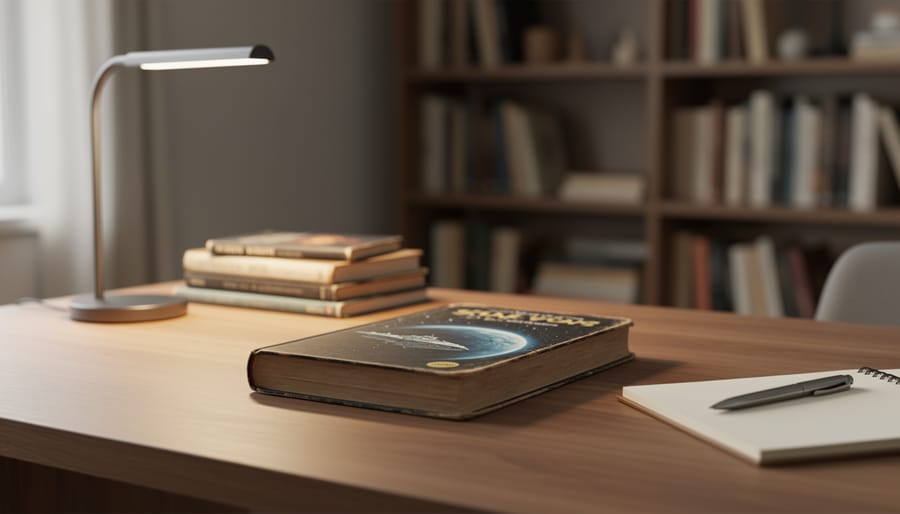
If you want the best science fiction books of all time, start with Dune, The Left Hand of Darkness, and Ender’s Game, then add Murderbot and Children of Time for a taste of what’s thrilling right now. That mix covers the genre’s biggest ideas and its freshest voices.
I’ve spent more than a few rainy weekends curled up with a stack of these, and the pattern is always the same. The classics hold up because they ask questions we still can’t answer. Can a society survive its own prophecies? What do we owe a stranger from another world? Meanwhile, the newer arrivals keep the genre breathing. The latest Murderbot Diaries entry from Martha Wells and the new Children of Time entry from Adrian Tchaikovsky prove that sci-fi’s best storytelling isn’t stuck in the past. Even the 2026 Hugo Award finalists, announced on April 21, 2026, are a reminder of how lively the field remains.
This list gives you twelve titles, each with a short, spoiler-free case for why it earned its spot, plus a simple way to pick your first read based on your mood. Whether you crave desert politics, razor-sharp humor, or a gentle story with a very big heart, you’ll find your starting point below. Grab a cozy chair. We’re going to the stars.
How I Chose These Science Fiction Books (and What Counts as a Classic)
Let me be upfront about how this list came together. I didn’t run lab tests on these books (although wouldn’t that be a fun experiment?). This is a curated list built from reader love, lasting influence, and storytelling that still feels alive when you open the first page today.
Here’s what I looked for:
- Lasting influence on the genre and on the writers who followed.
- Readability for newcomers, so no science degree required.
- Emotional pull, because big ideas land best when you care about the people living them.
- Variety across subgenres, so there’s something for every mood.
- Spoiler-free recommendations, always.
A quick note on terms, so nobody feels lost. Space opera means sweeping, character-driven adventures across stars and empires; if you’re curious, here’s a friendly explainer on what is space opera. Hard sci-fi leans on real science and problem-solving. Dystopian stories imagine societies gone wrong, usually as a warning. You’ll meet all three below, and I’ll explain any other label in context.
The “new” picks work differently. Murderbot and Children of Time appear on a current editorial roundup of the best sci-fi of 2026, so I’m treating them as future classics based on critical attention. That’s not a claim they’ve stood the test of time. They simply deserve a spot beside the greats.
And my promise to you: no spoilers, ever. I’ll tell you what a book feels like and who it’s for, never how it ends.
The Timeless Greats: Science Fiction Books Every Reader Should Know
1. Dune by Frank Herbert, Desert Politics and Prophecy
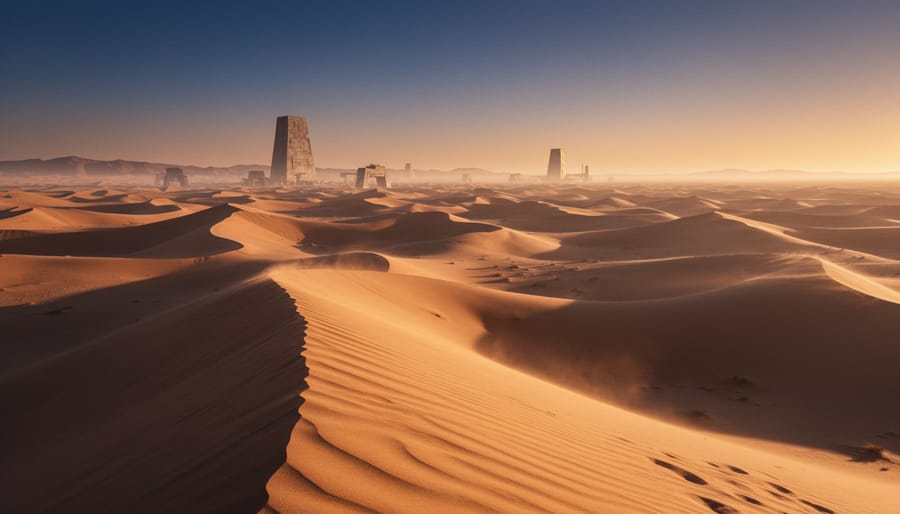
If you love getting lost in a fully built world, Dune is the one to start with. Frank Herbert drops you onto a harsh desert planet where water is treasure, rival houses scheme for control, and a young heir’s future feels both promised and dangerous. It’s a story about power, ecology, and destiny, and it still feels like the benchmark other epics get measured against. The politics are layered and the landscape almost becomes a character. Best for readers who want rich worldbuilding and don’t mind a slower, immersive pace. No spoilers here, I promise.
2. The Left Hand of Darkness by Ursula K. Le Guin, Big Ideas, Gentle Heart
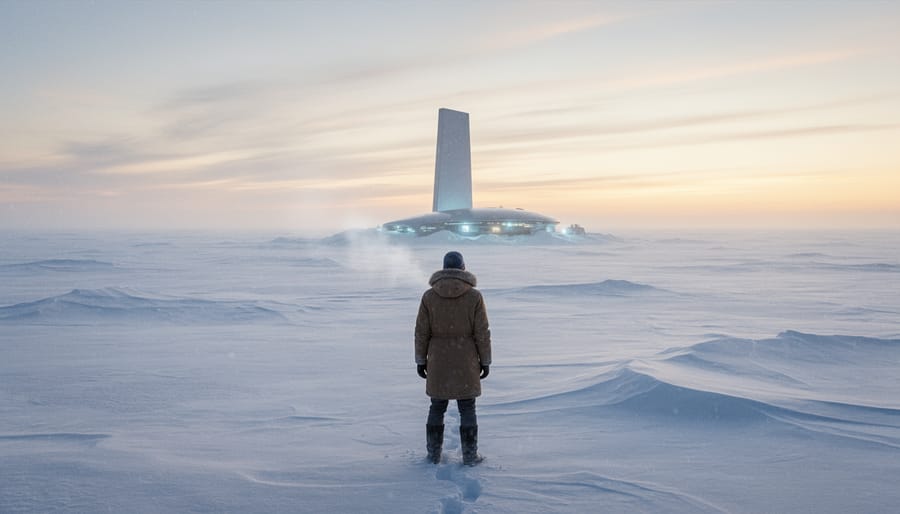
I came to The Left Hand of Darkness expecting a cold, clinical book, and I was wrong. Ursula K. Le Guin sends an envoy to a frozen planet where people have no fixed gender, and the real story is the slow, wary friendship that grows between him and a local politician. The big questions about gender and culture are all there, but they live inside two people trudging across ice, learning to trust each other. It’s a lovely pick if you prefer character-driven sci-fi over gadgets and battles. No spoilers here, but keep a blanket handy.
3. Fahrenheit 451 by Ray Bradbury, A Love Letter to Books
If you’ve ever loved a book so much you wanted to guard it with your life, Fahrenheit 451 will feel like it was written just for you. Ray Bradbury’s slim, lyrical dystopia follows a fireman whose job is to burn books, and the slow, quiet way he begins to question that work is deeply moving. I first read it in a single rainy afternoon, curled up with a blanket, and it made me look at my own overflowing shelves with fresh gratitude. It’s short, beautifully written, and a perfect first pick if you want big ideas without a big time commitment. Best for readers who treasure the printed page.
4. The Hitchhiker’s Guide to the Galaxy by Douglas Adams, Sci-Fi With a Grin
If you think you don’t like science fiction, start here. Douglas Adams wrote a comic adventure about the end of the world, a very confused Earthling named Arthur Dent, and a towel that turns out to be wildly important. It’s quotable, silly, and weirder than you’d expect, and it never asks you to understand physics. I’ve pressed this book on more skeptical friends than any other, and almost every one of them came back grinning and asking what to read next.
5. Foundation by Isaac Asimov, Empires Rise and Fall
Foundation is the book for readers who like their stories sweeping rather than intimate. Isaac Asimov imagines a galaxy-spanning empire in decline and a mathematician who believes he can predict the future of entire civilizations. The spoiler-free hook is the tension between prediction and surprise, and it unfolds across generations instead of one hero’s lifetime. Fair warning: you’ll meet plenty of big ideas and fewer deep character studies. If you love asking “what happens to a society when everything changes?”, this is a wonderful place to wander.
6. Neuromancer by William Gibson, The Book That Made Cyberpunk Cool
If you’ve ever wondered what “cyberpunk” means, picture a near future where technology runs everything but life still feels grimy, rain-soaked, and unfair. Think hackers, giant corporations, and neon-lit streets. Neuromancer is the book that put that mood on the map.
Fair warning: Gibson’s prose is dense, and the first chapters can feel like landing in a foreign city without a map. Stick with it. The atmosphere is intoxicating, and it rewards patience. It’s a great pick if you love tech-noir vibes.
7. The Handmaid’s Tale by Margaret Atwood, A Dystopia That Lingers
Margaret Atwood’s The Handmaid’s Tale is speculative fiction at its most intimate. Instead of sweeping space battles, you get one woman’s quiet, watchful voice inside a society that has stripped away her freedoms. It lingers long after the last page, mostly because it feels so plausible.
A gentle content note: it deals with oppression, coercion, and reproductive control, so it can be heavy going. It makes a superb book club pick, though. There’s plenty to unpack, and you’ll want a friend nearby to talk it through.
8. Ender’s Game by Orson Scott Card, A Perfect Gateway Read
If you want a sci-fi book that grabs you by the collar and doesn’t let go, Ender’s Game is the one I hand to friends who swear they don’t read science fiction. Orson Scott Card follows Ender Wiggin, a gifted child pulled into a rigorous military training program in space. The pacing is quick, the chapters move fast, and the emotional stakes hit harder than you’d expect from such a lean story. It’s especially good for younger readers and anyone craving a true page-turner. Under the battle games, it’s really about loneliness, leadership, and what we ask of kids. No spoilers here, just a promise that it’s hard to put down.
9. Frankenstein by Mary Shelley, Where It All Began
Frankenstein is often called the book where science fiction began, and it earns the title. Mary Shelley wrote about a brilliant, careless scientist and the creature he abandons, and the questions she raised still ring uncomfortably true: What do we owe the things we create? Who is responsible when ambition outruns wisdom? Those could be headlines today. The prose is more graceful than you might expect, and the story is short and surprisingly tender. If you only read one classic to understand where the genre came from, make it this one.
10. The Martian by Andy Weir, Problem-Solving Under Pressure
If you’ve ever wondered whether you need a science degree to enjoy science fiction, The Martian by Andy Weir is the happy answer. An astronaut gets stranded on Mars and has to math, tinker, and joke his way toward staying alive. It’s tense, laugh-out-loud funny, and the problem-solving is explained so clearly you’ll feel like a clever sidekick. Plenty of readers also picked it up after the film, and it’s one of the best movie adaptations to compare against the page. Perfect for adventure lovers who want brains without homework.
The Best New Science Fiction Books Worth Watching in 2026
11. The Latest Murderbot Diaries Entry by Martha Wells, Snark With a Soul
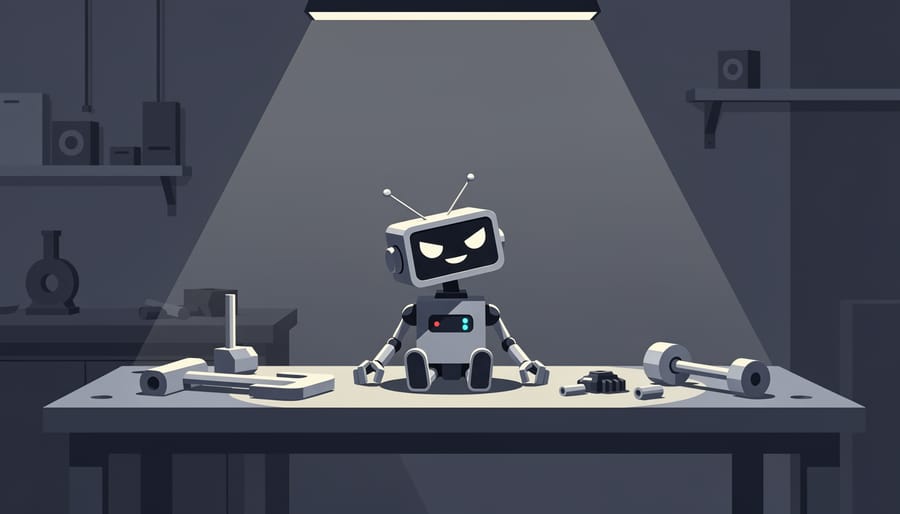
The Murderbot Diaries is the series I hand to anyone who says they “just don’t get” science fiction. It follows a security android that has quietly hacked its own governor module and would much rather binge its favorite shows than deal with humans. Sardonic, anxious, and secretly kind, Murderbot is a narrator you root for within a page.
The latest entry in Martha Wells’s series appears on a current editorial list of the best new sci-fi, which tells me the books are still earning fresh attention. I won’t pin down a title or date here, so check your local bookstore or library for what’s on shelves now.
If you’re new, start with the first book. The stories are short, the stakes are human, and the humor does the heavy lifting. Think of it as a comfort read with a beating heart. And if you like following what the community is buzzing about, award shortlists are a handy way to spot your next favorite.
12. The New Children of Time Entry by Adrian Tchaikovsky, Big Ideas, Bigger Scope
If you’ve ever wondered what would happen if a different species inherited the planet, Adrian Tchaikovsky’s Children of Time series is your answer. Its premise is wonderfully strange: humanity’s far-flung experiment in terraforming goes sideways, and intelligence blooms in a place no one expected. From there it becomes a story about evolution, survival, and what happens when two very different minds try to understand each other.
This is the series for readers who love big, thoughtful ideas and first contact done with patience and imagination. You don’t need a science background, just curiosity about how life changes over time.
A new entry in the series is on a current editorial list of new sci-fi, but I’d gently suggest starting with the original novel, Children of Time. It sets up the world and the questions everything else builds on, so each later book lands harder. Check your local bookstore or library for current availability.
New science fiction arrives faster than any one list can keep up with, and that’s part of the fun. Think of the picks above as a starting shelf, not a finished library. The Murderbot Diaries and Children of Time series are both still growing, so there may be even newer entries waiting by the time you read this.
A quick browse of the new-arrivals table often turns up a surprise you didn’t know you wanted.
Using the Hugo and Nebula Awards to Find Your Next Sci-Fi Read
Awards can be a great shortcut when you’re staring at a thousand shelves and wondering where to begin. Think of a shortlist as a trusted friend saying, “Start with these.” Hugo finalists are nominated and voted on by members of the World Science Fiction Convention, so they reflect what engaged fans are actually excited about right now.
Here’s what we know about the 2026 round:
- The 2026 Hugo finalists were finalists announced April 21, 2026.
- They came from LAcon V, the 84th World Science Fiction Convention.
- The shortlist announced Hugo Lodestar Astounding finalists including the Lodestar Award for Best Young Adult Book and the Astounding Award for Best New Writer.
- The Best Poem returns in 2026 category after a trial run in 2025.
I’m not naming any finalists here, because the list is best read straight from the source. The Lodestar category is especially handy if you like young adult sci-fi, and the Astounding Award for Best New Writer is a lovely way to spot voices before they become household names.
The Nebula Awards are another respected source of recommendations. Where the Hugos are voted on by fans, the Nebulas come from working science fiction writers, so checking both gives you two different angles on what’s worth your time.
A practical tip: once a finalist catches your eye, see whether your library offers it, and take a look at free audiobooks options too. Hearing a shortlisted novel read aloud on a commute can be a surprisingly easy way in.
Where to Start: Matching a Sci-Fi Book to Your Reading Mood
Not every great sci-fi book fits every mood, and honestly, that’s half the fun of choosing. Here’s how I’d match a first pick to where your head is right now.
If you want cozy and funny, start with The Hitchhiker’s Guide to the Galaxy or the latest Murderbot Diaries entry. Both are the kind of books you read with a mug of tea and a ridiculous grin. Fair warning: Murderbot is a series, so begin with book one.
If you’re craving something thought-provoking, The Left Hand of Darkness is my gentle recommendation. For a bigger, stranger scope, try the new Children of Time entry, though I’d read the original novel first.
Need fast and thrilling? Ender’s Game and The Martian are the page-turners, the ones you’ll finish in a weekend and then immediately tell someone about.
And for literary and moody, Fahrenheit 451 or Neuromancer will do the job. One is lyrical and quick, the other dense and atmospheric.
Here’s a small ritual I love: pair your pick with a setting. Visit a science museum, an observatory, or a planetarium before you start, or simply claim a favorite spot under the night sky. If you’d rather stay in, build yourself a cozy reading corner and let the galaxies come to you.
Whichever you choose, you really can’t go wrong.
Science Fiction Book Questions, Answered
What is the best science fiction book for beginners?
Start with something fast and friendly. The Hitchhiker’s Guide to the Galaxy, Ender’s Game, and The Martian are all easy to get into, and none needs a science background. If you want to read more books without feeling like homework, pick the one whose premise makes you grin.
What’s the difference between sci-fi and fantasy?
Science fiction usually explains its wonders through science, technology, or the future, while fantasy leans on magic and myth. The line blurs often, and Dune is a good example of a book that borrows a little from both.
Do I need to read the Murderbot or Children of Time series in order?
It’s smoother to begin with the first book in each series, since the characters and ideas build on one another. That said, a new entry in either series is a fine reason to go back and start from the beginning.
What are the Hugo Awards and why do they matter?
The Hugo Awards are given out by LAcon V, the 84th World Science Fiction Convention, and the 2026 finalists were announced on April 21, 2026. Finalist lists make handy reading guides, especially if you’re hunting for your next favorite.
Still not sure where to jump in? Pick the question that sounds most like you, and let that answer point you toward your next read.
Whether you start with a classic like Dune or jump straight into the newest Murderbot Diaries entry, the best science fiction books of all time and the best new science fiction books are really part of one long conversation. The old favorites show you what the genre can do, and the fresh releases show you where it’s headed next. I still remember how a single sci-fi novel changed what I thought I liked to read, so I’d love to hear from you: which title are you picking up first, and what’s the sci-fi book you keep pressing into friends’ hands?