Narrative nonfiction is true storytelling: real events, real people, and real places, told with the pacing, scenes, and character arcs you’d expect from a novel. The facts are researched and verifiable. The experience of reading them feels like being swept into a story. That’s the whole trick, and it’s why the genre is so easy to fall for.
It’s also why it gets confused with its neighbours. A textbook-style history explains what happened. A memoir tells one person’s own story. A thesis-driven work builds an argument. Narrative nonfiction does something different: it lets you stand in the room while it happens, whether that’s a mountain ridge, a courtroom, or a crowded city street. Publishers clearly see the pull. House of Anansi describes its nonfiction line as publishing “compelling narrative nonfiction” alongside meticulously researched, thesis-driven works, and other houses list it right next to adventure writing, biography, history, and travelogues.
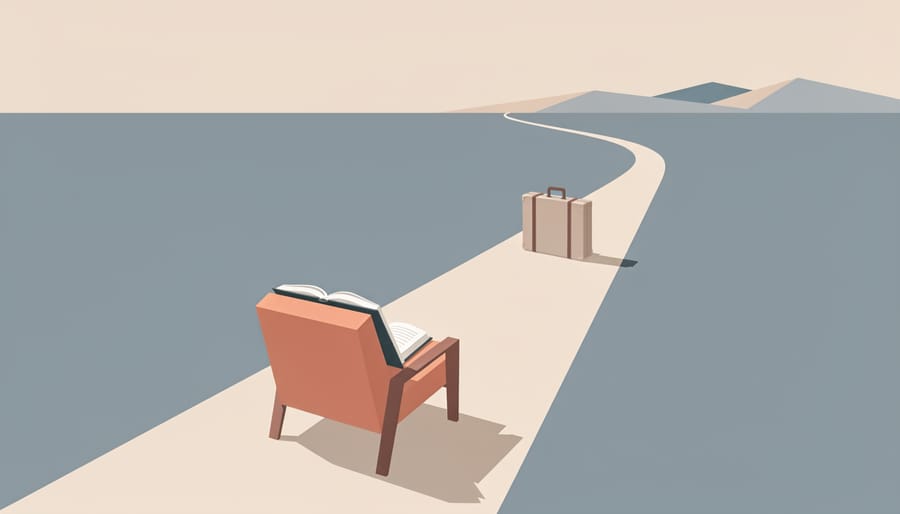
I tend to think of it as the genre that makes the best armchair passport. You can finish a chapter and feel like you’ve actually been somewhere. Below, you’ll find how to spot a strong one, where to start based on your mood, and what to know before your first read.
So, What Exactly Counts as Narrative Nonfiction?

How It Differs From Memoir, Biography, and Thesis-Driven Nonfiction
Here’s where the confusion usually starts: a lot of true-story books overlap, and the lines between them are blurry. Memoir is one person telling their own life, shaped by memory and personal reflection. Biography is someone else telling a person’s life, usually with a sweeping, cradle-to-grave sense of completeness. Narrative nonfiction can borrow from both, but it tends to zoom in on a single event, place, or story and pull you through it scene by scene.
Thesis-driven nonfiction is the other side of the fence. These books exist to argue a point, and the structure bends around that argument. The reading experience feels more like following a case than following a plot.
Publishers draw this distinction too. House of Anansi describes its nonfiction line as publishing both “compelling narrative nonfiction” and “meticulously researched, thesis-driven works.” Two separate shelves, in other words, sitting side by side in the same catalog.
A handy test is to ask what’s pulling you forward. If it’s “what happens next?”, you’re likely in narrative territory. If it’s “how does the author prove this?”, you’re probably reading thesis-driven work.
Plenty of books blend the two, and that’s perfectly fine. Think of these labels as helpful signposts rather than strict borders, and let your own curiosity pick the path.
Why Narrative Nonfiction Is Having a Moment
Something interesting is happening in the book world, and narrative nonfiction sits right in the middle of it. It’s still an emerging niche, so I’ll stick to what can actually be verified rather than overstate the case.
Start with how the industry itself sorts books. At least one book publishing directory now lists “Narrative Nonfiction” as its own category, separate from the broader pile. That might sound like small potatoes, but when a genre earns its own shelf label, it means readers and publishers are looking for it by name.
Independent houses are looking, too. Philip Turner Book Productions says it’s interested in narrative nonfiction alongside practical nonfiction, adventure and wilderness narratives, biography, history, politics, travelogues, and popular culture. Notice how many of those overlap with the kinds of stories we love to get lost in. It’s a wide, welcoming net.
There’s also a hint of appetite for fact-based reading in the air. One publishing event has chosen the theme “Toward a more critically informed society,” which suggests the people who make and sell books are thinking hard about how true stories help us understand the world.
On the bookstore side, a recently described title, A Gentleman and a Thief, was noted as a Calgary Herald bestseller and a Canadian Indie Bookstores pick. Meanwhile, CBC Books’ semi-annual review tracks the 20 best-selling books in Canada for the first six months of 2026, a handy snapshot of what readers are actually buying.
To be clear, none of this means narrative nonfiction dominates the lists. It means the genre is getting named, sought out, and talked about, which is exactly how a quiet favorite starts to find its audience.
What Makes a Great Narrative Nonfiction Read
The best narrative nonfiction earns its page-turning reputation through craft, so I look for a handful of things before committing to a book.
Start with a strong sense of place. You should be able to smell the salt air or feel the cold of the archive. When an author makes a setting vivid, even a distant era or an unfamiliar country feels like somewhere you’ve actually stood.
Next, look for well-drawn real people. The best of these books treat their subjects as full human beings, with contradictions, doubts, and small habits that make them memorable. If you finish a chapter wondering what happens to someone, that’s a good sign.
A clear throughline matters too. Real life is messy, so a skilled writer picks a thread and follows it, giving you a question to chase from the first page to the last.
Then there’s trustworthy sourcing. Since the whole appeal rests on the story being true, check for notes, a bibliography, or a mention of interviews and archival research. Publishers draw this line themselves: House of Anansi, for example, describes its nonfiction as both “compelling narrative nonfiction” and “meticulously researched, thesis-driven works.” The strongest books manage to be both gripping and well-grounded.
Finally, pacing. A great one keeps you turning pages without sacrificing accuracy, balancing scene and context so you never feel stuck in a lecture.
One note on spoiler-free browsing: true stories can still have twists, reversals, and surprising endings. When you read reviews, skim for general impressions rather than plot summaries, and be cautious with back-cover blurbs that reveal too much.
Finding Your Entry Point by Mood and Theme
Reading the Places: Literary Travel Inspiration
Some of my favourite reading memories are tied to a place. A few summers ago, I read a gripping true story about a long-ago expedition while riding a slow train through hilly countryside, and the landscape outside my window started to feel like part of the book. Every tunnel became a plot twist. I still can’t see a mountain ridge without hearing that narrator’s voice in my head.
That’s the quiet magic of narrative nonfiction books: they give a place a pulse. Reading a place-based story before a trip turns an unfamiliar region into somewhere you already have a few friends. Reading one after a visit works too, because you’ll recognize the streets, the weather, and the light, and suddenly the history has a face.
If you’re plotting your next getaway, try choosing a true story set in your destination and letting it shape your itinerary. Need some inspiration for where to start? Our roundup of literary travel destinations is a lovely launchpad for pairing a place with a page-turner.
And if you can’t travel right now, an armchair journey counts too. Pour something warm, open a good true story, and let it carry you somewhere new.
Easing In: Tips for Fiction Readers New to True Stories
Switching from novels to true stories doesn’t mean giving anything up. It just means trusting a different kind of page-turner, and a few small habits make the move much easier.
Start with a topic you already love. If you’re the reader who devours mountain adventures or loves a good historical saga, begin there, because your curiosity will carry you through the unfamiliar parts.
Try shorter works or audio first. A narrated true story can feel just like being read to, and it’s a gentle way to learn the rhythm of the genre. If you’re curious, biography audiobooks are a lovely place to test how a real life sounds when someone tells it aloud.
Read the first chapter before you commit. Voice matters enormously here. If the opening pulls you into a scene and makes you care about a real person, you’ve likely found a keeper. If it feels like a lecture, set it down without guilt.
Keep a notes page for names, places, and dates. True stories often carry a bigger cast than a novel, and a quick list saves you from flipping back.
Finally, balance your shelf. Pair a true-story read with a favorite novel, and let each one refresh you for the other. Neither is the “serious” choice, and both deserve a spot on your nightstand.
Narrative Nonfiction Questions, Answered
Is narrative nonfiction actually true?
Yes. These books are built on real events, research, and reporting, then shaped with storytelling craft like scenes and a clear arc. The facts stay factual; only the telling feels like a novel.
How is it different from a novel based on real events?
A novel based on real events invents dialogue, characters, and plot points to fill the gaps. Narrative nonfiction sticks to what can be sourced, so the drama comes from the truth itself.
Do I need to like history to enjoy it?
Not at all. Publishers group the genre alongside adventure and wilderness stories, politics, travelogues, and popular culture, so there’s a way in for almost every taste.
Are these books slower than fiction?
Some are more measured, especially when they’re heavily researched, but a good one keeps its tension and pacing. Read the first chapter to see whether the voice pulls you along.
Where can I find new releases?
Browse publisher catalogs, where “Narrative Nonfiction” now shows up as its own category, and check independent bookstore bestseller lists. Your local library’s staff picks are another great, free place to start.
Still not sure where to begin? Our guide to the best nonfiction picks is a friendly place to start browsing. And if a true story tends to stall on your nightstand, these tips on how to read more can help you build a habit that sticks.
Narrative nonfiction books remind us that real life can be every bit as gripping as a novel. They give us people we can root for, places we can picture, and stakes that matter, all with the added thrill of knowing it actually happened. And as publishers keep carving out space for the genre, there’s never been a better time to dive in.
So here’s my challenge: pick just one true story to try next. Choose a topic you already love, read the first chapter, and see if the voice pulls you in.
I’d love to hear what you end up reading, and which true stories have stuck with you most. Keep exploring, keep turning pages, and come back to Pages and Books for more recommendations.