
Totoro is a fictional forest spirit and the beloved title character from Hayao Miyazaki’s 1988 Studio Ghibli film “My Neighbor Totoro” (Tonari no Totoro in Japanese). The name itself carries no single fixed meaning but is widely believed to derive from “torōru,” a Japanese interpretation of the English word “troll” or “spirit,” though the character’s origin story is charmingly more whimsical than that etymology suggests.
If you grew up watching that rotund, grinning creature wait at a rainy bus stop or sprout seedlings in a moonlit garden, you already know Totoro as comfort incarnated. But the question of what Totoro actually means has become a kind of literary puzzle for fans who want to understand the layers beneath the fur. Some say Miyazaki heard a young girl mispronounce “Tokorozawa” (the real Japanese city that inspired the film’s setting) as “Totorozawa,” and the name stuck. Others point to the troll connection, which feels fitting for a being who exists somewhere between myth and imagination, neither fully explained nor entirely mysterious.
What makes Totoro so enduring isn’t linguistic precision but emotional resonance. The character represents the magic that lives in ordinary places: the forest behind your house, the soot sprites in the rafters, the kindness of neighbors. Understanding Totoro’s meaning requires looking beyond dictionary definitions to explore how a name, a shape, and a story have become shorthand for childhood wonder, environmental reverence, and the quiet comfort of knowing something gentle watches over you. This article unpacks the etymology, the cultural symbolism, and the different types of Totoro creatures that populate Miyazaki’s world.
What Totoro Means: The Name Behind the Forest Spirit
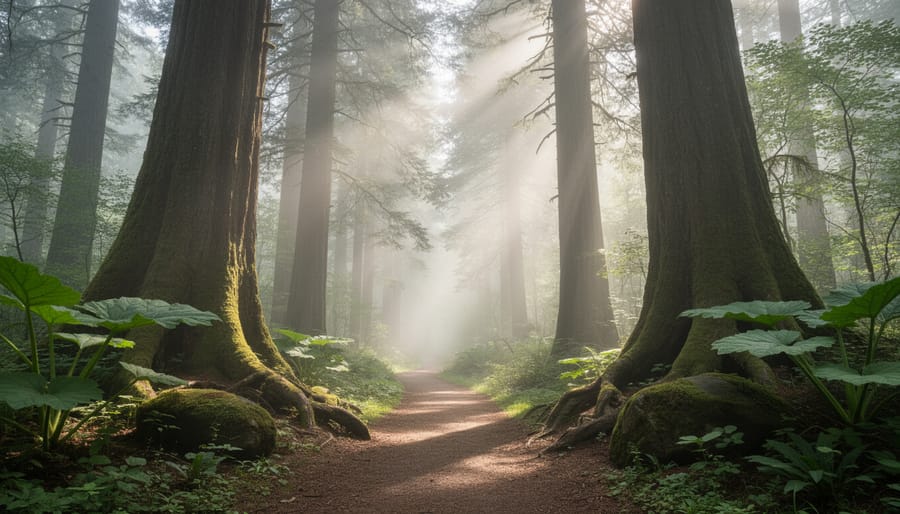
At its simplest, Totoro is the name of a fictional character who first appeared in Hayao Miyazaki’s 1988 animated film My Neighbor Totoro, where two young sisters encounter friendly forest spirits in postwar rural Japan. But the name has taken on a life of its own, becoming shorthand for a particular kind of warmth, comfort, and connection to the natural world that resonates far beyond the original movie.
The Japanese title, Tonari no Totoro (となりのトトロ), translates roughly to “My Neighbor Totoro,” positioning this enormous, furry creature not as something distant or mythical, but as someone who lives nearby, an accessible presence in the landscape of childhood. Totoro is described as a gender-neutral name of Japanese origin, with no single fixed meaning. Instead, it draws associations from the worlds it bridges: nature, spirit, comfort, imagination.
- Tonari no Totoro (となりのトトロ)
- The original Japanese title of the 1988 film, meaning “My Neighbor Totoro.” The word “tonari” (neighbor) positions Totoro as a familiar, nearby presence rather than a distant mythical being.
- Torōru (トロール)
- The Japanese word for “troll,” from which the name Totoro is believed to derive. This connection links Totoro to folklore creatures that inhabit forests and wild places.
- Tokorozawa (所沢市)
- A city near Tokyo where Miyazaki drew inspiration for the film’s rural setting. According to Ghibli lore, the name Totoro may have originated when a young girl mispronounced “Tokorozawa” as “Totorozawa.”
- Forest spirit
- A nature guardian or protective being tied to a particular landscape. Totoro embodies this archetype as a giant, gentle creature who watches over the countryside and the children who discover him.
Studio Ghibli made Totoro their official mascot, cementing the character as a symbol not just of one film but of wonder, environmental harmony, and a certain kind of storytelling that treats childhood imagination with reverence. To say “Totoro” today is to invoke all of that at once: the specific character, the feelings he represents, and the enduring question of what, exactly, he is.
Where the Name Totoro Comes From
The name Totoro didn’t spring from a marketing brainstorm or a carefully planned etymology. Instead, it emerged from a playful blend of linguistic accident, cultural translation, and Miyazaki’s gift for making nonsense sound profound. Understanding where the name comes from is less about pinning down one definitive answer and more about appreciating how different origin stories layer together to create meaning.
The most widely cited theory traces Totoro back to the Japanese word “torōru” (トロール), which means “troll.” In this reading, Totoro is essentially a Japanese interpretation of the trolls from Scandinavian folklore, creatures who dwell in forests and mountains, often helping or hindering humans who cross their path. Miyazaki has spoken about his fascination with European fairy tales, and the connection makes sense when you consider Totoro’s earthy presence and his role as a guardian of the natural world. The name would have been adapted to sound more Japanese and child-friendly, softening the harder edges of “torōru” into the rounder, warmer “Totoro.”
Another origin story, recounted in various Ghibli retrospectives, suggests that Miyazaki heard a young girl mispronounce Tokorozawa (the city where the film is set) as “Totorozawa.” The child’s slip of the tongue charmed him, and he borrowed the sound for his forest spirit. This account fits Miyazaki’s documented habit of pulling inspiration from everyday moments and the natural speech of children.
Here are the main theories about where the name Totoro originates:
- Derived from “torōru,” the Japanese word for troll, suggesting European folklore influence
- Born from a child’s mispronunciation of Tokorozawa as “Totorozawa”
- Shortened from “Neighborhood Troll” in Japanese, blending location and creature type
The beauty of these overlapping stories is that they don’t contradict each other. A name can hold multiple origins, especially when it’s meant to evoke something intangible. Totoro sounds like a troll, echoes a place, and feels like something a child would invent, all at once.
The Different Faces of Totoro: Types and Appearances
If you pay close attention during your first viewing of My Neighbor Totoro, you’ll notice that Totoro isn’t just one creature, he’s actually three distinct beings living in the same forest. The large, grey Totoro that most people picture is the eldest and most iconic, standing several feet tall with a round belly and those signature pointed ears. He’s the guardian of the forest, the one who roars in that deep, rumbling way that delights Mei when she first tumbles into his nap spot. Then there’s the medium-sized blue Totoro, slightly smaller and lighter in color, who appears less frequently but plays a crucial role in the girls’ adventures. Finally, the tiny white Totoro, small enough to fit in your palm, often shows up first, leading the sisters deeper into the magical world they’re discovering.
Each size represents a different aspect of the forest’s spirit hierarchy, though Miyazaki never explicitly spells out their relationships. Some viewers interpret them as a family, others as different manifestations of the same protective force. What matters is that together they create a sense of abundance in the natural world, a reminder that magic exists in layers if you’re willing to look closely.
How you interpret these creatures shifts the entire meaning of the story. If you view them through the lens of Western folklore and those movie adaptations we’ve seen of troll tales, Totoro becomes a benign version of the creatures living under bridges, misunderstood guardians of liminal spaces. If you approach them as traditional Japanese spirits, they’re more like the kami of Shinto belief, nature deities deserving reverence rather than explanation. As a nature guardian, Totoro embodies environmental consciousness before it became trendy, a figure who exists simply because the forest exists. Personally, I think he’s all three at once, which is why he resonates so deeply across cultures, he’s whoever you need him to be. Much like the way supernatural reads can shift meaning depending on when you encounter them in your life, Totoro’s identity transforms with your perspective. The film doesn’t force one interpretation, and that’s part of its genius. There’s no checklist of tips to read more deeply into Miyazaki’s symbolism, you simply live with these characters and let them reveal themselves in their own time.
How Totoro’s Meaning Appears in Stories and Culture

Totoro’s meaning ripples out from Miyazaki’s 1988 film into layers of cultural significance that grow richer with each retelling. In My Neighbor Totoro, which follows two young sisters navigating postwar rural Japan after their mother falls ill, Totoro functions as a quiet guardian who appears only to those with open hearts. The film never explains what Totoro is or why he’s there. He simply exists, patient and enormous, embodying the comforting idea that nature holds mysteries beyond language, and that children possess an instinctive wisdom adults have forgotten.
That same quality of gentle, wordless reassurance made Totoro the natural choice as Studio Ghibli’s official mascot. When you see that familiar silhouette, round belly, leaf umbrella, you know you’re entering a world where environmental harmony matters and imagination has weight. The studio understood that Totoro’s meaning transcends plot; he represents an ethos.
Beyond film, Totoro functions as a gender-neutral name of Japanese origin, carrying associations parents want for their children: warmth, resilience, a connection to something larger than themselves. The name appears in nurseries, on birth announcements, in baby name books, always with that undertone of forest magic and belonging.
In children’s literature, Totoro joins a lineage of guardian spirits who appear when needed most. Think of the Velveteen Rabbit’s journey toward realness, or the way Sendak’s Wild Things offer Max both escape and return. These figures share Totoro’s gift: they validate a child’s interior life without demanding it make sense to adults. They guard the threshold between seen and unseen worlds.
What makes Totoro’s cultural presence so enduring is how his meaning adapts without diluting. He’s a troll, a spirit, a friend, a symbol. He’s the feeling you get standing alone in old growth forest. He’s the certainty, however fleeting, that you’re not imagining the magic, it’s imagining you right back.
Is Totoro a Troll or a Spirit? Understanding the Duality
The question of whether Totoro is a troll or a spirit isn’t really a puzzle that needs solving. It’s both, and that’s exactly what makes him so compelling.
When I first learned that “torōru” means troll in Japanese, I’ll admit I felt a little disoriented. Trolls in Western fairy tales are usually obstacles, creatures hiding under bridges or threatening children. But Miyazaki wasn’t working from a Scandinavian playbook. He was blending the Japanese concept of spirits in nature with a borrowed word that had been softened and reimagined through translation.
In Japanese folklore, the line between spirit and creature is wonderfully blurry. Forest guardians aren’t always benevolent gods or menacing monsters. They simply exist, part of the natural order, responding to how humans treat their world. Totoro embodies this fluidity. He’s called a troll because that’s what the word suggested to Miyazaki or the girl who mispronounced Tokorozawa, yet he behaves like a spirit, a kami of the camphor trees and rain.
What strikes me now is how this duality mirrors childhood itself. Children don’t categorize magic the way adults do. They don’t ask whether the imaginary friend is real or pretend, whether the forest is alive or just trees. Totoro exists in that in-between space where trolls can be gentle and spirits can nap in the sunshine.
Understanding that Totoro holds both meanings at once doesn’t dilute his significance. It deepens it. He’s a reminder that the richest characters, like the richest stories, resist tidy definitions and invite us to sit with mystery rather than flatten it into certainty.
Frequently Asked Questions About Totoro’s Meaning
I still remember the first time someone asked me what Totoro actually means. I’d loved the film for years, but I’d never stopped to think about the name itself, where it came from, what it represents beyond that fuzzy gray grin. These questions come up often among readers discovering the film anew, so let’s tackle the most common ones together.
What is Totoro?
Totoro is a fictional character from Hayao Miyazaki’s 1988 Studio Ghibli film My Neighbor Totoro, a giant, friendly forest creature who helps two young sisters in postwar rural Japan. The character has since become the iconic mascot for Studio Ghibli and a symbol of childhood wonder and nature.
What does Totoro mean?
Totoro is a gender-neutral name of Japanese origin with no single specific meaning, though it’s often associated with comfort and nature. The name itself has become synonymous with the qualities the character embodies: warmth, protection, and the magic of childhood.
Where does the name Totoro come from?
The origin has multiple theories: it may derive from “torōru,” the Japanese word for troll, or from a young girl’s mispronunciation of Tokorozawa (the city where the story takes place) as “Totorozawa.” Some interpret it as shorthand for “Neighborhood Troll,” blending these origin stories together.
Is Totoro a troll or a spirit?
Totoro is both, depending on your cultural lens and interpretation. The name connects to the Japanese word for troll, but the character functions as a forest spirit or nature guardian in the film, embodying elements of Japanese folklore and Miyazaki’s imagination in equal measure.
Why is it called Totoro?
In the film, the younger sister Mei attempts to say the creature’s name and it comes out as “Totoro,” which then sticks. This reflects the broader origin theories, whether from a mispronunciation, the word for troll, or a combination of linguistic and personal influences from Miyazaki’s creative process.
These questions reveal how much depth lies beneath a seemingly simple character name. The beauty of Totoro’s meaning is that it resists a single, tidy definition, much like the creature himself resists easy categorization. That ambiguity invites us to bring our own wonder and interpretation to the experience.
Understanding what Totoro means, from its playful etymology to its role as a forest spirit, does more than satisfy curiosity. It transforms the way we watch the film. When you know Totoro might be a neighborhood troll mispronounced by a child, or that the name blends Japanese folklore with Miyazaki’s imagination, every frame feels richer. The character stops being just a cuddly mascot and becomes a bridge between languages, cultures, and the way we all need comfort in uncertain times.
That layering of meaning is what makes My Neighbor Totoro endure. It works as a simple story about two sisters in the countryside, and it works as a meditation on wonder, loss, and the spirits that guard our most vulnerable moments. The duality, troll or spirit, invented word or linguistic accident, isn’t a contradiction. It’s the point. Stories this good hold multiple truths at once.
If this deep dive has sparked something, revisit the film with fresh eyes. Notice how the name sounds in Japanese, how the different Totoros move through the forest, how Miyazaki trusted children to find meaning without explanation. Or, if you’re drawn to where stories live in the real world, consider adding Tokorozawa or the Ghibli Museum to your list of literary destinations places where imagination and geography meet, and where the meaning of Totoro feels close enough to touch.