
Space opera is science fiction at its most sweeping and adventurous, prioritizing grand-scale storytelling, vivid worlds, and emotional drama over technical accuracy or scientific plausibility. Think starship battles across galaxies, interstellar empires rising and falling, rogues and rebels navigating alien cultures, and conflicts where entire civilizations hang in the balance. While hard science fiction asks “what if we extrapolate this technology rigorously?” space opera asks “what if we set the human condition against the backdrop of the stars?”
I’ll never forget the moment I first understood the difference. I was fifteen, sitting in a coffee shop in Edinburgh’s Old Town, trying to muscle through a dense hard SF novel about orbital mechanics. A stranger at the next table noticed my frustration and slid over a battered copy of something entirely different. “Try this instead,” she said. Three hours later, I’d missed my bus, drained two more cups of tea, and fallen completely under the spell of found families, impossible escapes, and a universe that felt less like a physics problem and more like mythology set among the stars.
That’s the magic of space opera. It borrows the iconography of science fiction but operates with the emotional logic of epic fantasy, westerns, and swashbuckling adventure. Where other subgenres might meticulously explain faster-than-light travel, space opera simply gives you a hyperdrive and gets on with the story of who’s using it and why.
This guide will walk you through what defines space opera, how its narrative engine actually works, the major varieties you’ll encounter on shelves today, and where to begin your own journey into the genre. Whether you’re drawn to military campaigns, scrappy smugglers, or diplomatic intrigue spanning star systems, there’s a corner of space opera waiting for you.
What Space Opera Really Means
The term “space opera” has always carried a hint of mischief. Coined in the 1940s as a playful jab at pulpy science fiction stories, it borrowed its structure from the dismissive labels soap opera and horse opera melodramatic serials set in living rooms and the Wild West respectively. Space opera simply transplanted that grand, emotional storytelling to the stars. What began as a term of gentle mockery has become a badge of honor, describing some of the most beloved and enduring stories in speculative fiction.
At its heart, space opera is adventure writ large across the cosmos. These are stories where entire civilizations rise and fall, where heroes pilot starships between distant worlds, and where personal courage can tip the balance of galactic conflicts. Unlike science fiction that meticulously explains how faster-than-light travel works or calculates orbital mechanics, space opera is less focused on hard science and more interested in what happens when you get there. The technology exists to serve the story, not the other way around.
Here’s what defines the genre:
- Melodrama
- Space opera embraces high-stakes emotion, sweeping romance, and clear moral conflicts without apology. These stories aren’t afraid to be earnest.
- Galactic Scale
- The canvas is vast, multiple planets, star systems, or entire galaxies, with civilizations and cultures that span the cosmos.
- Heroic Characters
- Protagonists are often larger-than-life figures thrust into extraordinary circumstances, though they remain recognizably human in their struggles and relationships.
- Soft Science Fiction
- The science provides a backdrop and flavor rather than rigorous explanation. The focus stays on adventure and character.
- World-Building
- Immersive universes with detailed political systems, alien species, and cultural histories that feel lived-in and real.
What makes space opera so accessible is precisely this emphasis on story over science. You don’t need a physics degree to follow along. The genre invites readers to lose themselves in epic journeys where friendship, betrayal, love, and sacrifice matter more than antimatter containment fields. It’s science fiction for the romantic at heart, for anyone who ever looked up at the night sky and imagined not just what’s out there, but who.
How Space Opera Works: The Building Blocks
Setting the Stage: Galactic World-Building
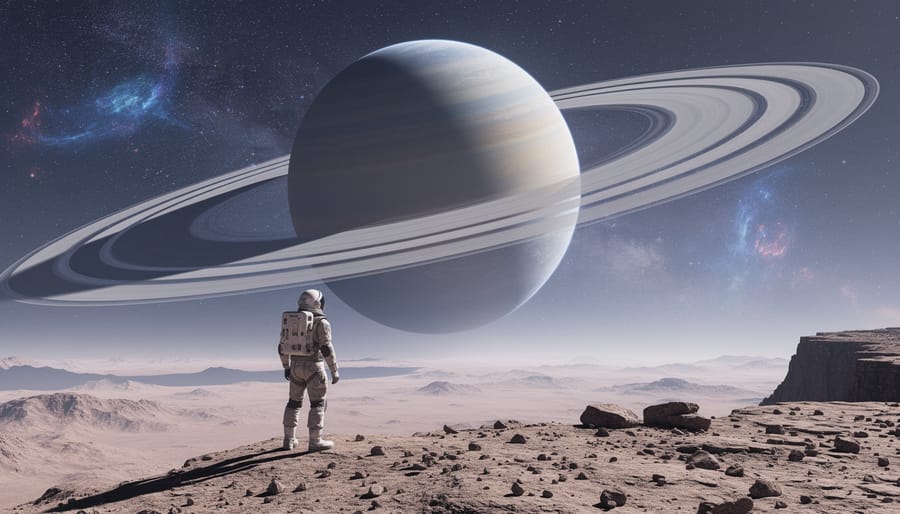
The best space opera worlds feel less like settings and more like living ecosystems you’re stepping into. Authors achieve this by layering detail strategically, not dumping encyclopedic information, but revealing their universe through action and character perspective. You learn about the rigid hierarchy of the Galactic Empire when your protagonist chafes against it, not through a political science lecture.
Effective world-building typically establishes several interconnected civilizations, each with distinct cultures, technologies, and motivations. Think of how different planets might handle resource scarcity, governance, or even time itself. The key is creating systems that feel consequential, where political alliances can shift the fate of entire star systems, and where the choices your characters make ripple across light-years.
The techniques that transport readers most successfully involve grounding the fantastic in sensory details and emotional truth. What does recycled starship air smell like after three months? How does artificial gravity fail differently on various vessels? These small touches make impossible places feel tangible. The universe expands outward from intimate moments rather than from star charts, letting readers discover the scope organically as they follow characters through spaceports, war councils, and alien markets. When done well, you finish a space opera feeling you could navigate its galaxy yourself.
Characters and Conflict: The Heart of the Opera
At its core, space opera succeeds or fails based on whether you care what happens to the people caught up in all that cosmic drama. The best examples in the genre understand this instinctively, they give you characters whose personal journeys matter as much as the fate of civilizations hanging in the balance.
You’ll encounter familiar archetypes that resonate precisely because they tap into universal human experiences. The reluctant hero discovers courage they didn’t know they possessed when their quiet life gets upended by galactic conflict. The rebel fights against oppressive systems, driven by personal loss that mirrors larger injustices. The diplomat navigates treacherous political waters where one wrong word could spark interstellar war, their personal integrity tested at every turn.
What makes space opera compelling is how these individual stories intersect with galaxy-spanning stakes. A captain’s decision to rescue one person might doom an entire fleet. A scientist’s grief over a lost family member could fuel the breakthrough that saves billions. The genre weaves intimate, human concerns, love, loyalty, revenge, redemption, into conflicts played out across star systems.
These aren’t cardboard cutouts moving through spectacular set pieces. They’re flawed, complex people whose choices carry weight both personally and cosmically, making you turn pages because you’re invested in their survival and their growth.
Types of Space Opera You’ll Encounter
Space opera isn’t a one-size-fits-all genre. It’s more like a spectrum of flavors, each offering something different depending on what you’re craving in a story. Some readers want tactical space battles and military precision, while others are looking for sweeping romance or laugh-out-loud adventures across the cosmos. Understanding the main varieties helps you find exactly the kind of space opera that’ll make you cancel plans to keep reading.
Military space opera puts you right in the command center. These stories focus on fleet tactics, strategic conflicts, and the lives of soldiers navigating interstellar war. You’ll find detailed battle sequences, hierarchies of command, and exploration of what it means to fight for a cause when entire planets hang in the balance. If you love strategic thinking and high-stakes combat, this subset delivers tension and action in spades.
Romantic space opera, on the other hand, centers relationships against a galactic backdrop. Yes, there might be space stations and alien diplomacy, but the real heart of these stories lies in the connections between characters, whether that’s passionate romance, found family bonds, or complex political marriages that become genuine partnerships. If you’ve ever enjoyed romance book lists and wondered what happens when you add starships and distant worlds to the mix, this flavor combines emotional depth with cosmic adventure beautifully.
Here’s a quick look at the main types you’ll encounter:
- Military Space Opera: Focuses on battles, fleet tactics, and the strategic side of interstellar conflict
- Romantic Space Opera: Prioritizes relationships and emotional journeys set against starry backdrops
- Comedic Space Opera: Delivers humorous adventures with quirky characters and laugh-out-loud situations
- Space Fantasy Hybrids: Blends science fiction with magical or mystical elements for a dreamier feel
- New Wave Space Opera: Takes experimental, literary approaches with complex themes and unconventional structures
Comedic space opera proves the genre doesn’t always take itself seriously. These stories embrace absurdity, satire, and pure fun, think misfit crews stumbling through the galaxy, bureaucratic nightmares in space, or unlikely heroes who succeed despite (or because of) their incompetence. The tone stays light even when the stakes are high, making these reads perfect when you want adventure without heavy emotional weight.
Space fantasy hybrids blur the line between science and magic. You might encounter psychic powers that feel mystical, ancient prophecies guiding starship captains, or technology so advanced it becomes indistinguishable from sorcery. These stories give you the grandeur of space opera with the wonder and enchantment typically found in fantasy novels.
New wave space opera pushes boundaries. These authors experiment with structure, tackle challenging philosophical questions, and often deconstruct the genre’s traditional tropes. The writing tends toward the literary, the themes run deeper, and you’ll find yourself thinking about the story long after you’ve finished. It’s space opera for readers who want both adventure and intellectual engagement.
Your taste might lean heavily toward one type, or you might discover you love sampling across the spectrum. The beauty of space opera’s variety means there’s always something new to explore, whether you’re in the mood for strategic warfare or star-crossed lovers navigating the cosmos.
Where Space Opera Shines: From Books to Screen and Beyond
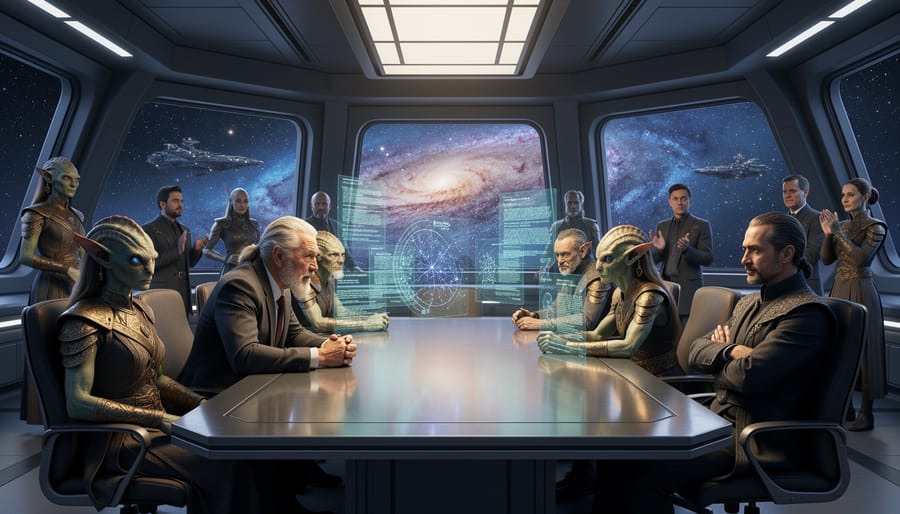
Space opera’s greatest strength might be its ability to leap between formats without losing what makes it special. The genre’s DNA, grand adventure, vivid worlds, emotional stakes, translates beautifully whether you’re turning pages, watching a screen, or rolling dice with friends.
Novels remain space opera’s home base, where authors have unlimited budgets for star systems, alien civilizations, and fleet battles. The written word lets you linger in a character’s head during a tense negotiation or spend chapters building political intrigue across multiple worlds. But space opera has always been a visual genre at heart, which is why it produces some of the best movie adaptations in science fiction. Film and television bring those soaring starship chases and alien landscapes to life in ways that hook viewers who might never pick up a sci-fi novel, then often send them back to discover the source material.
The cross-pollination works both ways. Video games let players live inside space opera narratives, making choices that reshape entire story arcs. Comics and graphic novels offer a middle ground, pairing visual spectacle with the pacing and internal depth of prose. Each medium plays to different strengths, a game might excel at showing the tactical complexity of managing a starship crew, while a novel dives deeper into the moral weight of those same decisions.
This multimedia nature creates something wonderful: space opera fans gather everywhere. Conventions dedicated to science fiction and fantasy are where the community truly comes alive. Northern FanCon 2026 runs May 1-3 at the CN Centre in Prince George, bringing together readers, cosplayers, and creators. TriCon 2026 follows immediately after on May 2-3 at THEMUSEUM. The Nebulas, scheduled for October 16-18, 2026, celebrate the year’s best science fiction and fantasy writing. These gatherings offer panels, author signings, costume contests, and the rare pleasure of meeting fellow enthusiasts who understand why you care so deeply about fictional star empires.
The genre also inspires real-world travel in quieter ways. Just as books that make travel more meaningful connect readers to physical places, space opera fans seek out filming locations, museum exhibits featuring spacecraft models, and astronomy centers where the night sky brings those imagined worlds a bit closer.
Space opera endures because it meets you where you are, on the couch with a paperback, at a midnight film screening, or surrounded by strangers in amazing costumes who instantly feel like friends.
Finding Your Next Space Opera Adventure

You don’t need a PhD in astrophysics or a hundred-book reading list to find your perfect space opera. The beauty of this genre is that there’s an entry point for everyone, whether you’re craving a quick standalone adventure or ready to commit to a sprawling series that’ll keep you company for months.
Start by asking yourself what you’re in the mood for. Want something you can finish in a weekend? Look for standalone novels that deliver a complete story without requiring you to track multiple timelines or character arcs across sequels. Prefer settling into a world you can live in for a while? Series offer that delicious feeling of coming home to familiar characters and places. There’s no wrong choice here.
When you’re browsing for your next read, these strategies can help you discover something truly special:
- Start with standalone novels if you want a complete story without commitment, or dive into series for long-term immersion
- Look for award winners (Hugo, Nebula, Locus) as quality markers, but don’t dismiss newer voices
- Explore diverse authors bringing fresh perspectives to space opera’s traditional frameworks
- Check out reader communities on Goodreads, Reddit, or BookTok for personalized recommendations
- Sample first chapters through library apps or retailer previews before committing
Your local library is honestly your best friend here. Most offer digital borrowing through apps, which means you can try authors risk-free and discover what resonates with you. If you’re looking for tips to read more generally, those strategies work beautifully for space opera too.
And don’t overlook book blogs and year-end best fiction picks lists. They’re treasure troves for finding those hidden gems that might not have gotten massive marketing pushes but absolutely nail what makes space opera sing. Trust your instincts, start with what excites you, and remember that every passionate space opera reader began exactly where you are now.
Common Questions About Space Opera
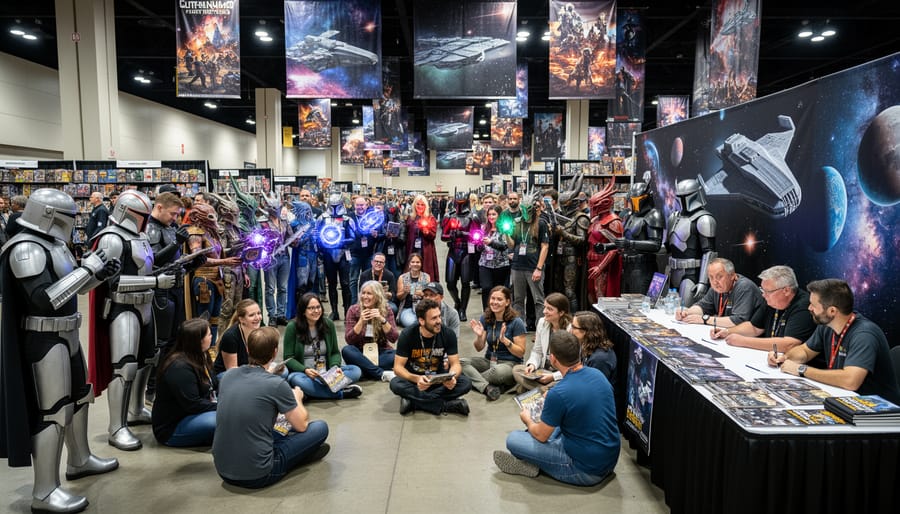
I remember fielding questions like these when I first stumbled into a space opera reading group, completely unsure whether I belonged. The folks there were patient and welcoming, and I’ve carried that spirit forward ever since. Here are the questions I hear most often from readers curious about diving into space opera.
Is space opera the same as science fiction?
Space opera is a subgenre within science fiction, distinguished by its emphasis on adventure, grand scale, and emotional drama rather than scientific accuracy. While all space opera is science fiction, not all science fiction is space opera, hard SF focuses on plausible science, while space opera prioritizes storytelling and spectacle.
Do I need to love science to enjoy space opera?
Not at all. Space opera treats technology and science as backdrop rather than focus, so you won’t find lengthy technical explanations or physics lectures. If you enjoy adventure stories, compelling characters, and imaginative worlds, you’ll find plenty to love here regardless of your science background.
Where can I find space opera recommendations and community?
Online communities on Reddit, Goodreads groups dedicated to space opera, and local book clubs are excellent starting points. Many science fiction conventions include space opera programming, and literary travel enthusiasts might enjoy events like Northern FanCon (May 1-3, 2026, at CN Centre in Prince George, BC) or the Nebulas (October 16-18, 2026), where fans and authors gather to celebrate the genre.
What makes a book space opera versus hard science fiction?
The distinction comes down to priorities: hard SF explores scientific concepts and their implications with rigorous attention to plausibility, while space opera uses science as a canvas for human drama, political intrigue, and heroic journeys. Space opera asks “what if we could travel the stars?” and runs with the emotional possibilities rather than dwelling on the engineering.
Beyond these common queries, I’ve noticed readers sometimes worry they’ve missed the boat if they haven’t been reading space opera since childhood. That’s simply not true. The genre welcomes newcomers constantly, and many contemporary space opera authors write standalone novels or accessible series entry points specifically designed for readers just discovering the genre. You don’t need encyclopedic knowledge of classic works to appreciate what’s being written today.
The beauty of space opera in 2026 is how diverse and welcoming the community has become. Whether you prefer online discussions, in-person conventions, or quiet solo reading followed by thoughtful reviews, there’s a place for you. Start with whatever calls to you, a cover that catches your eye, a premise that sounds thrilling, a recommendation from someone whose taste you trust, and let your curiosity guide the journey from there.
I still remember that first moment when a spaceship jumped to hyperspace on the page before me, carrying characters I’d grown to love toward an uncertain destiny among the stars. That sense of wonder never quite leaves you, does it? Space opera offers something increasingly rare in our world: permission to dream big, to believe in heroes facing impossible odds, to feel the full spectrum of human emotion played out against a canvas of infinite possibility.
What keeps this genre thriving in 2026 isn’t just nostalgia or escapism. It’s the way space opera reminds us that adventure, connection, and hope matter. Whether you’re reading about a scrappy crew defying an empire or a diplomat preventing galactic war, these stories speak to something fundamental about who we are and who we might become. They make us feel small and grand at the same time.
Your space opera journey doesn’t require a degree in astrophysics or a reading list completed in any particular order. It simply asks that you bring your curiosity and willingness to be swept away. Start with whatever calls to you, whether that’s military action, romantic adventure, or comedic chaos among the stars. Join a convention community, pick up that book your friend won’t stop recommending, or revisit the classic that first sparked your imagination.
The galaxy is waiting, and there’s a ship with your name on it. All you need to do is turn the page.