If you’re frantically Googling how to sell a house with a rat infestation at two in the morning while hearing mysterious scurrying sounds in your walls, you’re not alone—and surprisingly, there’s a whole collection of novels that capture exactly this kind of domestic chaos. Literature has a beautiful way of transforming our most stressful moments into compelling narratives, and the intersection of real estate anxiety and unwanted houseguests (the creepy-crawly kind) has inspired authors to craft stories that are equal parts cathartic and entertaining.
I stumbled into this peculiar reading niche myself three years ago while house-hunting in Bristol, when I discovered a charming Victorian cottage with what the estate agent euphemistically called “a minor mouse situation.” That experience led me down a rabbit hole of fiction exploring similar themes, and I was astonished by how many brilliant writers have mined this territory for both comedy and genuine emotional resonance.
These novels understand something fundamental: selling a home is already one of life’s most stressful experiences, ranking right up there with divorce and job loss. Add an infestation to the equation, and you’ve got the perfect recipe for both disaster and dark humor. The books I’ve gathered here range from satirical comedies that’ll make you laugh through your own pest-related tears to thoughtful dramas examining what “home” truly means when the structure itself feels compromised.
Whether you’re currently dealing with your own real estate nightmare, recovering from one, or simply fascinated by stories where domestic spaces turn hostile, these novels offer validation, escape, and the comforting reminder that every house—and every homeowner—has a story worth telling.
Why Domestic Chaos Makes for Compelling Fiction
There’s something viscerally unsettling about a home in crisis, isn’t there? I remember once discovering a family of mice had taken up residence in my childhood bedroom wall—the scratching sounds at night, the feeling that your safe space had been invaded. That experience stayed with me, and it’s probably why I’m drawn to novels where domestic spaces become battlegrounds.
Writers have long understood that our homes are more than buildings; they’re extensions of our identities, repositories of our dreams and failures. When authors introduce pests skittering through walls or urgent property sales with ticking clocks, they’re tapping into something profoundly symbolic. A termite infestation isn’t just about wood damage—it represents the hidden rot in a marriage, the secrets eating away at a family’s foundation. The frantic need to sell before discovery becomes a race against time to maintain appearances, to escape before everything collapses.
This is why compelling fiction often places characters in these pressure-cooker situations. The physical deterioration of a home mirrors internal decay beautifully. Think about it: cockroaches emerging during a showing become a metaphor for shame we can’t hide, rats in the attic symbolize the past we’ve tried to bury, and the desperate staging of rooms reflects how we curate versions of ourselves for others.
What makes these domestic crises so powerful in literature is their relatability. Most readers have experienced some version of home chaos—maybe not a full infestation, but certainly the anxiety of maintaining appearances, the stress of major transitions, or the shock of discovering something wrong beneath the surface. When a character faces bedbugs during a divorce or finds evidence of structural damage right before listing their house, we recognize the universe’s cruel timing. These stories validate our own messy experiences while offering the catharsis of watching characters navigate—and hopefully survive—their domestic disasters.
Novels Where Home Disasters Take Center Stage
Literary Fiction That Explores Property and Displacement
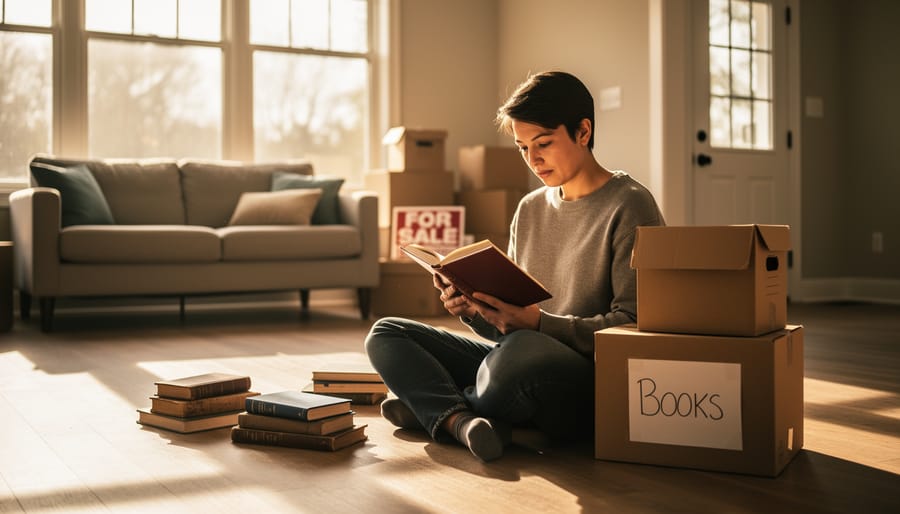
When I sold my grandmother’s house a few years back, I found myself reaching for books that understood the weight of letting go—stories where walls held memories and foundations cracked under more than just physical strain. If you’re navigating the emotional terrain of selling a home, especially one with its share of problems, these literary fiction recommendations might feel like companions on the journey.
Claire Keegan’s Small Things Like These offers a masterclass in how houses contain histories. Though not explicitly about home selling, this novella captures how buildings hold our moral reckonings. The protagonist’s coal delivery business brings him into homes across town, each threshold revealing what people hide behind respectable facades. For anyone grappling with what a house reveals when you prepare to sell it, this resonates deeply.
Jonathan Dee’s The Privileges explores how property becomes identity for a wealthy Manhattan couple. When their pristine world begins showing cracks—both literal and figurative—the novel asks what happens when the homes we’ve built, physically and metaphorically, no longer shelter us. Readers facing their own real estate stress will recognize the panic of maintaining appearances.
For something more visceral, try Ling Ma’s Severance, where the protagonist’s Candlelit journey through an abandoned New York includes haunting scenes of empty apartments and displaced populations. The speculative element provides distance, but the core anxiety about losing one’s place in the world feels remarkably current.
Jenny Offill’s Weather incorporates climate anxiety and housing instability in fragmentary, punch-to-the-gut prose. Her narrator obsesses over preparing for disaster while navigating everyday uncertainties—a perfect mirror for anyone simultaneously dealing with inspection reports and existential dread.
These novels understand that selling a home isn’t just a transaction. It’s confronting what we’ve ignored, what’s been slowly deteriorating, and ultimately, what we’re willing to carry forward. They won’t solve your pest problem, but they might help you feel less alone in the messy, complicated process of letting go.
Darkly Comic Tales of Domestic Disasters
Sometimes the only way through a housing disaster is to laugh at the absurdity of it all. I learned this during my own apartment-selling fiasco years ago, when a family of mice decided to throw what I can only describe as a rave in my walls the week before my open house. If you’re currently living through your own property nightmare, these novels will help you see the dark comedy in domestic chaos.
Tom Perrotta’s Little Children features a subplot involving a family dealing with both marital dysfunction and home maintenance disasters that spiral hilariously out of control. The way Perrotta weaves together suburban ennui with the very real terror of things literally falling apart around you feels painfully relatable. You’ll find yourself nodding along, thinking “yes, that’s exactly what it’s like when your home becomes your adversary.”
For pure absurdist comedy, check out The Nest by Cynthia D’Alema Sweeney. While not exclusively about home selling, the novel brilliantly captures how property ownership can become a source of family conflict, financial anxiety, and laugh-out-loud moments of recognition. The Plumb family’s crumbling real estate dreams mirror their interpersonal disasters in ways that are both heartbreaking and hilarious.
Maria Semple’s Where’d You Go, Bernadette offers a delightfully unhinged take on home renovation gone wrong in Seattle. Bernadette’s war with her neighbor and her crumbling mansion provide some of the novel’s funniest moments. Semple understands that home ownership, especially in competitive markets, can push even reasonable people toward madness.
These novels won’t fix your termite problem or sell your house faster, but they’ll remind you that housing disasters make for excellent stories eventually—and that you’re definitely not alone in finding homeownership occasionally ridiculous.
Psychological Thrillers Where the House is the Villain
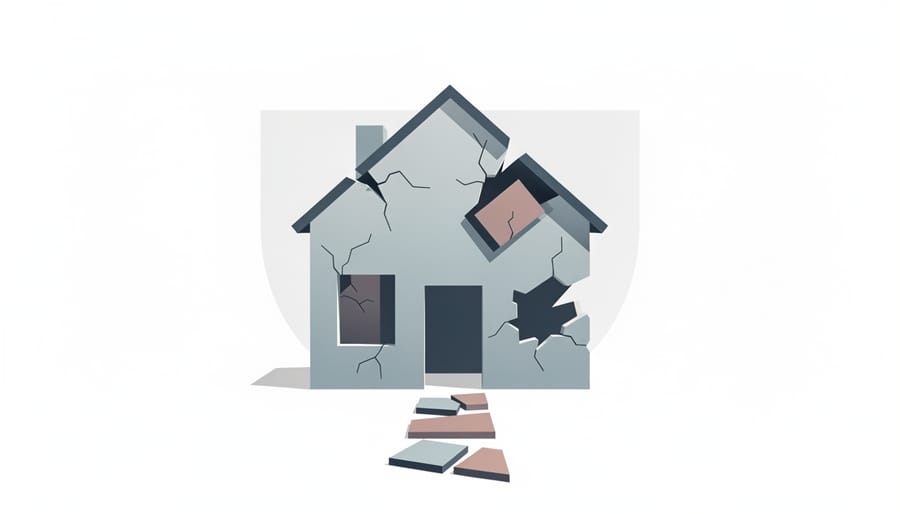
Sometimes the real infestation isn’t what’s crawling through the walls—it’s the house itself. These psychological thrillers transform domestic spaces into malevolent entities, perfect for when you want your home-selling anxieties channeled into deliciously dark fiction.
Shirley Jackson’s The Haunting of Hill House remains the gold standard for houses with sinister personalities. Hill House doesn’t just harbor secrets; it actively manipulates its inhabitants, making leaving feel both impossible and necessary. I first read this during a particularly stressful move, and Jackson’s prose made my own empty house feel downright friendly by comparison.
For something more contemporary, try The Winter People by Jennifer McMahon, where a Vermont farmhouse’s history literally refuses to stay buried. The novel weaves together timelines of different families attempting to escape the property’s grip, exploring how homes can trap us through both memory and supernatural means.
Content warning: Mexican Gothic by Silvia Moreno-Garcia features disturbing imagery including bodily invasion and fungal infestations that blur the line between pest and possession. The decaying mansion literally feeds on its residents—a visceral metaphor for toxic family dynamics and the desperate need to flee certain spaces before they consume you entirely.
What These Stories Teach Us About Letting Go
I’ll never forget the summer my aunt tried to sell her charming Victorian cottage, only to discover a thriving colony of carpenter ants in the walls. Watching her navigate open houses while secretly scheduling pest control appointments taught me something profound: sometimes the very places we call home hold secrets we’d rather not confront, and letting go becomes infinitely more complicated when those complications scuttle across the kitchen counter.
This is precisely why novels about home selling and pest infestations resonate so deeply. They’re not really about termites or rodents at all—they’re about the messy, uncomfortable process of releasing our grip on what we thought was solid ground. When characters in these stories confront unwanted creatures while trying to present their homes as perfect sanctuaries, we see our own anxieties reflected back at us with startling clarity.
These narratives offer something uniquely valuable: permission to feel overwhelmed. Reading about a protagonist who discovers mice in the attic right before a crucial showing validates our own panic when reality doesn’t match our carefully curated expectations. These books become comfort reads not because they sugarcoat difficulty, but because they acknowledge it exists.
More importantly, they show us characters who survive these dual challenges of pests and property sales—often emerging with unexpected insights about what home truly means. We learn that sometimes the infestation isn’t the real problem; it’s our attachment to a particular vision of how things should be. These stories teach us that letting go doesn’t require perfection, just honesty and the courage to move forward even when circumstances are less than ideal.
In fiction, we find safe spaces to rehearse our own difficult transitions, discovering that we’re far from alone in this peculiarly stressful experience of selling an imperfect home.
Creating Your Own Reading Sanctuary (Even When Your House is a Disaster)
I’ll be honest—when my house flooded three years ago and we discovered a thriving mouse colony behind the water heater, I thought my reading life was over. Boxes everywhere, contractors traipsing through at dawn, the constant smell of bleach and drywall dust. But here’s what I learned: chaos is exactly when you need books the most, and maintaining a reading life during stressful times like home selling or pest remediation isn’t just possible—it’s essential self-care.
Start by creating a portable reading kit. I used a canvas tote bag with my current read, earbuds for audiobooks, a small book light, and a travel mug. This became my sanctuary-in-a-bag that moved with me from room to room, or out to my car when the exterminator arrived. Speaking of which, audiobooks are absolute lifesavers during active moving or cleaning days. I listened to an entire cozy mystery series while scrubbing baseboards and packing kitchen boxes—it transformed tedious work into something almost enjoyable.
Don’t underestimate the power of micro-reading sessions. Five minutes while your coffee brews, ten minutes in your car before showing appointments, a chapter before bed even when you’re exhausted. These moments add up and provide crucial mental breaks from property stress.
Finally, be intentional about your book choices during this season. Sometimes you’ll crave escapist fantasy worlds far from your pest-ridden reality. Other times, you’ll find comfort in novels that mirror your struggles, making you feel less alone. Both responses are valid—honor what you need when you need it.
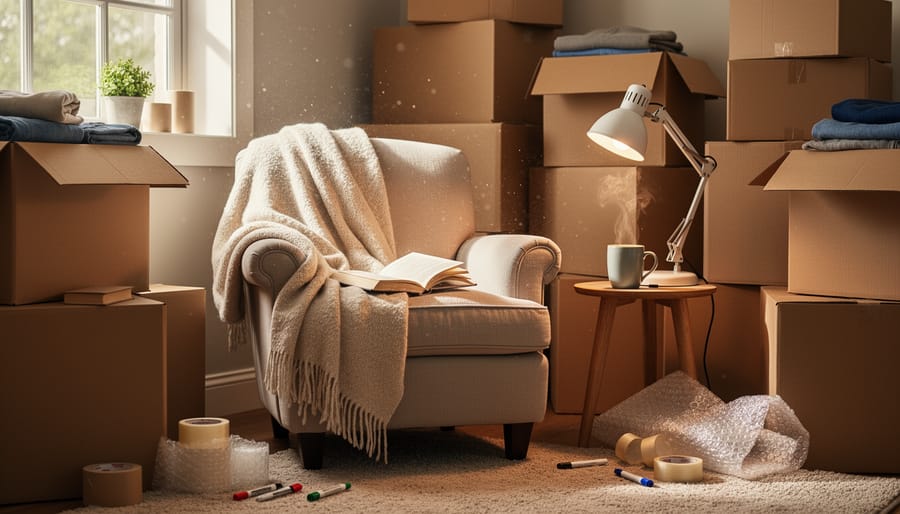
There’s something profoundly comforting about discovering you’re not alone in your chaos, isn’t there? When I was helping my sister prep her house for sale last year—dealing with carpenter ants and termite damage simultaneously—I found myself reaching for books about messy, complicated homes almost instinctively. Reading became my quiet sanctuary, a way to process the overwhelm while recognizing that homes, like chapters in our favorite novels, aren’t meant to last forever.
These stories remind us that transitions, however stressful, are universal human experiences. Whether you’re literally battling rodents in the attic or metaphorically wrestling with what it means to leave a place that’s held your memories, there’s therapeutic power in seeing your struggles reflected on the page. Books validate our feelings in ways that real estate agents and exterminators simply cannot.
I’d love to hear from you: what novels have helped you through major life transitions? Have you discovered hidden gems about moving, homes, or domestic disasters that aren’t on anyone’s radar? Drop your recommendations in the comments below. Let’s build a community reading list for those of us navigating these wonderfully messy moments.
Remember, both books and homes are vessels for our stories. We pour ourselves into their pages and walls, and sometimes—just sometimes—we need to close the cover or lock the door one final time to begin our next chapter. There’s freedom in that release, and beauty in carrying only the stories that truly matter forward.